
Dysphagia Boot Camp: Inspiring the Next Generation of SLPs

Submitted by Razan Malkawi, M.S., CCC – SLP, Therapy Talent Acquisition Resource
From classroom to clinic: a firsthand look at the life of an SLP in skilled nursing
At Lemon Grove Care and Rehabilitation Center, we recently had the pleasure of hosting a Dysphagia Boot Camp designed specifically for Speech-Language Pathology (SLP) students preparing to enter the field. Dysphagia, or difficulty swallowing, is a critical area of practice for SLPs, particularly in skilled nursing settings where patients often present with complex medical needs.
This immersive experience brought together 12 graduate SLP students from University of Saint Augustine, who are on track to complete their programs in December 2026 and April 2027. Throughout the full day, students were given a unique opportunity to observe a firsthand look at the life of an SLP in a skilled nursing facility, helping bridge the gap from classroom learning to real-world clinical practice.
The day began with an introductory session led by Karli Sanchez, our Elite SLP and internal traveler in San Diego, who provided an overview of what to expect in a skilled nursing setting. She guided students through the role of the SLP in dysphagia management, patient care, and interdisciplinary collaboration, setting a strong foundation for the day ahead.
Following the introduction, students rotated through a variety of experiences, where they followed our clinicians throughout their daily workflows. Participants observed evaluations, treatment sessions, and team collaboration, gaining valuable insight into clinical decision-making, patient interactions, and the rhythm of a typical day in a SNF setting.
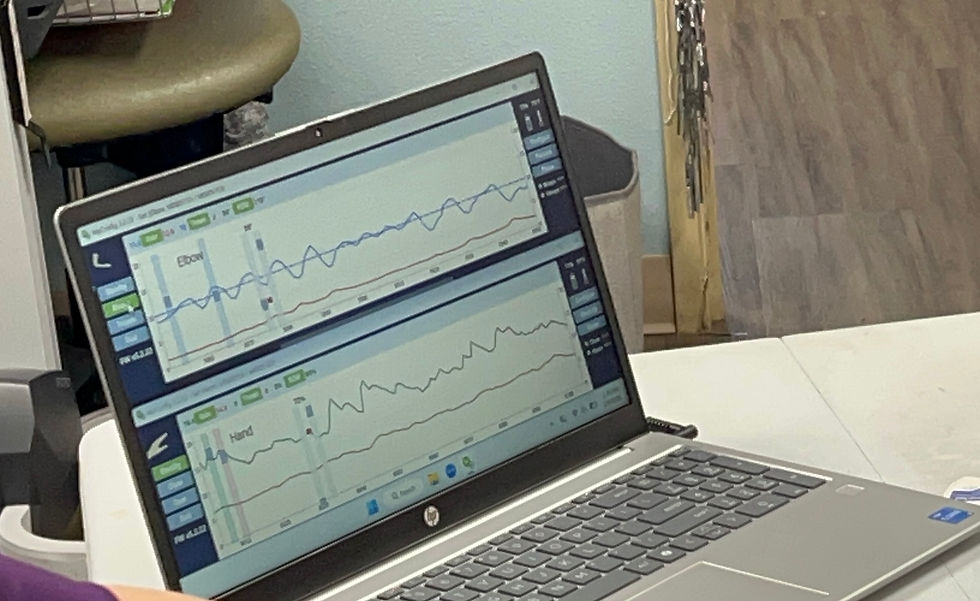
A key highlight of the boot camp was the opportunity to observe Fiberoptic Endoscopic Evaluation of Swallowing (FEES) procedures conducted by our skilled SLPs on-site, guided by our FEES-certified SLP Lauren Stidman. This provided students with meaningful exposure to advanced diagnostic tools and deepened their understanding of dysphagia assessment and management in practice.
The day concluded with an open Q&A session, where students engaged directly with our team. Topics included career pathways, recruitment insights, salary and CF supervision expectations, and what to anticipate when transitioning into their first roles. This conversation helped demystify the job search process and provided guidance on entering the field, particularly within skilled nursing, equipping students with clarity and confidence as they prepare for the next stage of their careers.
Why We Created the Boot Camp
The primary motivation behind hosting this Dysphagia Boot Camp was our commitment to supporting SLP students in their learning and professional development. Many of the students selected for this experience have not yet had — and may not have the opportunity to receive — a medical placement during their graduate program.
Unlike Physical Therapy (PT) and Occupational Therapy (OT) programs, SLP clinical supervision requirements are more restrictive. To supervise students, an SLP must complete their Clinical Fellowship (CF) and then practice independently for an additional nine months before becoming eligible as a supervisor. Because we support a large number of Clinical Fellows (CF-SLPs), this can limit the availability of qualified supervisors for student placements in our settings.
Recognizing this barrier, we developed the Dysphagia Boot Camp as a creative solution to expand access to medical exposure. By hosting multiple students for a single, structured observational experience, we were able to provide 12 students with meaningful insight into a skilled nursing environment, something that might otherwise not be available to them. In addition to introducing students to dysphagia management, this experience exposed them to the SLP’s role in a SNF setting and broadened their perspective on career pathways within the field.
Voices from the Boot Camp
The impact of the day was reflected in the feedback from both students and instructors who attended:
● “Ever since starting grad school, I knew that I would be interested in working with adults, and this experience really solidified that for me” Student .
● “The conversations around CF experience, salary, and career paths stood out as especially impactful. Those kinds of real, candid discussions make a huge difference for students.” Instructor.
● “It was very insightful to be able to observe alongside an SLE for an evaluation and treatment session, observing the FEES and having transparent conversations about CF dash SLP roles were greatly appreciated.” Student.
● “I loved hearing about all of your SLP journeys into leadership roles. It's so special to see women and SLPs in such leadership positions and know that the organization supports that.” Student.
Looking Ahead
Initiatives like the Dysphagia Boot Camp strongly reflect our organization’s mission of dignifying long-term care in the eyes of the world. By giving students a look at the care we provide, we are able to showcase the clinical excellence, compassion, and impact that define SLP practice in skilled nursing.
Through this experience, students saw what it truly means to deliver patient-centered care in a long-term care setting, challenging outdated misconceptions about skilled nursing while highlighting the meaningful and rewarding work being done every day. As we continue to invest in education and mentorship, we remain committed to creating opportunities that bring the classroom to the clinic, inspire future clinicians, and elevate the role of SLPs in transforming patient care. We’re excited to strengthen our recruiting pipeline with candidates who align with our mission and are motivated to serve this growing population.
Special Thank-You
A special thank-you to our facility leadership for making this experience possible. We are incredibly grateful to our Administrator, Matt Oldroyd, and our Director of Rehab and Master Clinician SLP, Lauren Stidman, for hosting us and for their ongoing commitment to education, mentorship, and clinical excellence. Their support and leadership were instrumental in bringing this event to life.


Comments